Extraction and drying
Water Extraction & Drying in Columbus, OH
Standing water, soaked carpet or walls that stay damp? Call and you are connected with an independent contractor that extracts water and dries homes in Columbus.
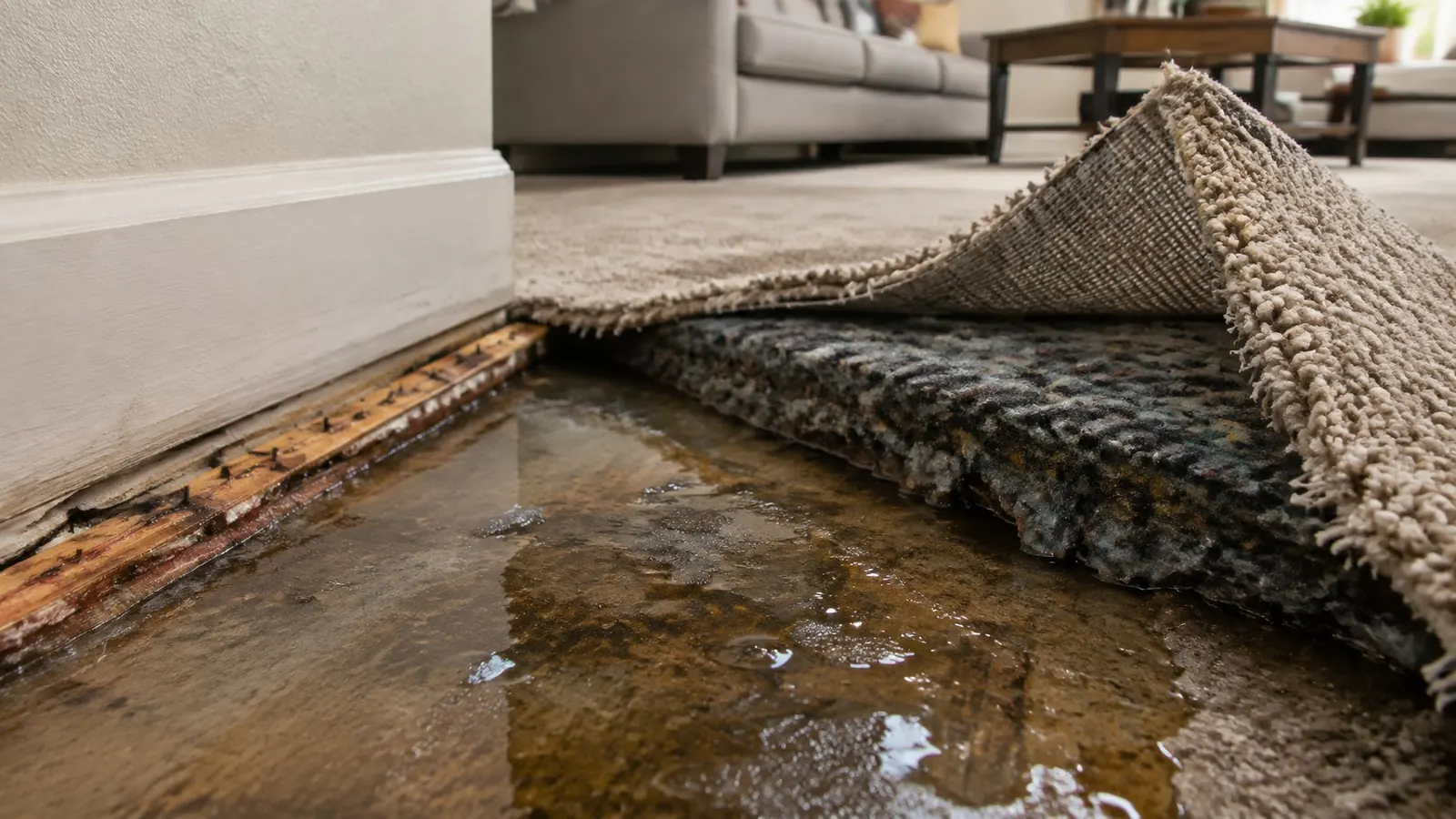
Extraction first, then drying
Extraction removes the water you can see: submersible pumps for deep water, truck-mounted or portable extractors for carpet. The more water pulled out at this stage, the shorter the drying.
Structural drying deals with the water you can't see. Air movers create airflow across wet surfaces, dehumidifiers remove the moisture that evaporates, and the contractor may open baseboards, drill small holes at the bottom of walls or lift carpet to reach trapped water. Daily moisture readings show progress until materials are back to normal.
Good drying practice
Daily readings
Moisture is measured in the same spots each day and written down.
Dry standard
Readings are compared with unaffected materials in the same house, which is the target.
Closed room
Windows are usually kept closed so the dehumidifiers work on the room, not the outdoors, especially in humid summer weather.
Carpet decisions
Carpet can sometimes be dried in place with clean water; the pad underneath usually can't and is replaced.
Hardwood
Wood floors may need specialized drying mats and more time. Cupping can settle as the floor dries.
Removal
Equipment comes out when the readings say so, not after a set number of days.
Not all water is the same
Clean, gray and black water
Restoration contractors sort water by how contaminated it is, following the industry's IICRC S500 standard. The category decides what can be dried and what has to go.
Clean water
From a clean source, such as a burst supply line, a leaking water heater or an overflowing sink with no soap or waste.
- Usually dried in place
- Carpet can sometimes be saved
- Turns into category 2 if it sits
Gray water
Water with some contamination, such as dishwasher or washing machine discharge, or a toilet overflow with urine but no feces.
- Cleaned and treated, then dried
- Carpet pad usually replaced
- Turns into category 3 if it sits
Black water
Grossly contaminated water: sewage, a toilet backflow from beyond the trap, or flood water from rivers and streams.
- Porous materials removed
- Surfaces cleaned and sanitized
- Keep people and pets away
In Columbus
Drying fast, and what follows in Columbus
The EPA advises drying water-damaged areas and items within 24 to 48 hours to prevent mold (EPA mold and moisture guide). The City of Columbus's own flooded basement guidance says to replace wet drywall to prevent mold.
When the drying is done and the rebuild starts, remember the city threshold: replacing more than 32 square feet of drywall needs a permit and plan review from Building and Zoning Services (typical residential projects).
How it works
From the call to a dry house
You call
Tell the person who answers what happened, where the water or smoke came from and your ZIP code.
You're connected
The call goes to an independent restoration contractor that serves your part of Columbus.
They assess
The contractor inspects, measures moisture, explains what needs removing and gives you their price.
You decide
Hire them or not. There is no obligation, and the agreement is between you and the contractor.
Questions
Water Extraction & Drying: common questions
Is the equipment loud?
Yes, air movers and dehumidifiers make steady noise and warm the room. Most people keep the doors closed and sleep elsewhere in the house if they can.
Can I switch the equipment off at night?
Ask the contractor before you do. Drying works because the equipment runs continuously; switching it off slows drying and can let moisture settle back in.
Why cut holes in my drywall?
Small holes or a strip removed at the bottom let air into the cavity behind the wall, where water collects on the bottom plate. It is usually quicker and cheaper than replacing whole sheets later.
Other services
Other kinds of damage
- Water Damage RestorationLeaks, overflows and failed appliances: water out, structure dried, damaged materials replaced.
- Flooded Basement CleanupStorm water, a failed sump pump or seepage: water pumped out, contents moved, the basement dried.
- Frozen & Burst PipesA pipe split in the cold or a supply line let go: water off, extracted and the walls and floors dried.
- Sewage Backup CleanupSewage through a floor drain or toilet: contaminated materials removed, the area cleaned, sanitized and dried.
- Storm & Roof Leak DamageRain through the roof, ice dams or wind-driven water: ceilings, walls and insulation dried or replaced.
- Fire & Smoke DamageSoot, smoke odor and the water used to put the fire out: cleaned, deodorized, dried and rebuilt.
- Mold RemediationMold after a leak or flood: the moisture source fixed, the area contained, moldy materials removed.
Water, smoke or mold?
Talk to a Columbus restoration contractor
One call connects you with an independent restoration contractor serving Columbus and nearby suburbs. Tell them what happened, where the water came from and how long it has been wet.
Water in the house? Talk to a restoration contractor now.
You are connected with an independent water damage restoration contractor that serves your part of central Ohio.
Call (380) 214-0333Calls may be recorded. See the referral disclosure and privacy policy.