Mold remediation
Mold Remediation in Columbus, OH
Spots on the basement drywall, a musty smell that won't go away or mold after a leak? Call and you are connected with an independent contractor that does mold remediation in Columbus.
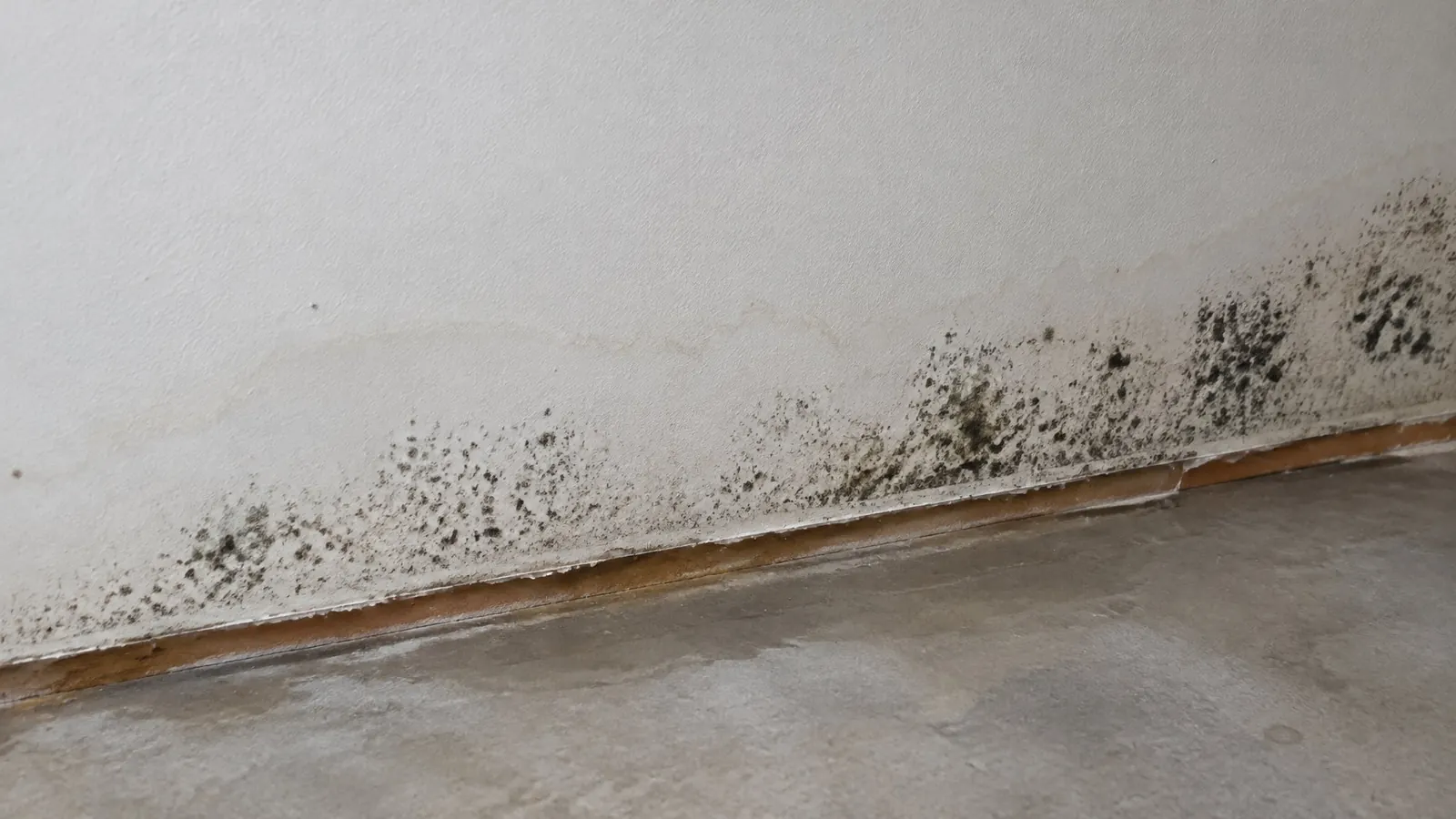
Fix the water, then the mold
Mold needs moisture. Cleaning it without fixing the leak, the seepage or the humidity that fed it only buys time. Remediation starts by finding and stopping the moisture source, then isolating the affected area so spores aren't spread through the house while work is done.
Moldy porous materials such as drywall, insulation and carpet are generally cut out and bagged. Hard surfaces are cleaned. The area is dried, and the contractor checks that the moisture problem is solved before walls are closed up again.
How remediation is usually done
Moisture source
The leak, seepage or condensation problem is found and fixed first.
Containment
Plastic sheeting and negative air pressure keep spores in the work area.
Removal
Moldy drywall, insulation and carpet are removed and bagged inside the containment.
Cleaning
Framing and hard surfaces are cleaned; HEPA vacuums and air scrubbers capture spores.
Drying
The area is dried to normal moisture levels before rebuilding.
Check before closing up
A visual check, and testing if you or the contractor want it, before new drywall goes up.
In Columbus
Mold and licensing in Ohio
Ohio's state contractor licenses cover five trades: electrical, HVAC, plumbing, hydronics and refrigeration (City of Columbus contractor licenses; Ohio license lookup). Mold remediation isn't one of them, so ask a mold contractor about its training, its containment methods and its insurance, and get the scope in writing.
In Columbus, any rebuilding after mold removal follows the city's permit rules: more than 32 square feet of drywall needs a permit and plan review (typical residential projects), and contractors doing structural work on homes need a city home improvement contractor license.
How it works
From the call to a dry house
You call
Tell the person who answers what happened, where the water or smoke came from and your ZIP code.
You're connected
The call goes to an independent restoration contractor that serves your part of Columbus.
They assess
The contractor inspects, measures moisture, explains what needs removing and gives you their price.
You decide
Hire them or not. There is no obligation, and the agreement is between you and the contractor.
Questions
Mold Remediation: common questions
Can I clean mold myself?
The EPA's general guidance is that a homeowner can often handle a small area, roughly 10 square feet or less, if the moisture problem is fixed and they take precautions; larger areas, mold in the HVAC system or mold after sewage are better left to a professional. See the EPA guide to mold and moisture.
Do I need mold testing?
Not always. If mold is visible, the priority is removing it and fixing the moisture. Testing can help when you smell mold but can't find it, or to check the result after remediation. Ask the contractor what they recommend and why.
Will bleach kill the mold?
Bleach on porous materials like drywall doesn't reach the roots and adds moisture. Moldy drywall and insulation are removed; hard surfaces are cleaned with detergent and water.
Other services
Other kinds of damage
- Water Damage RestorationLeaks, overflows and failed appliances: water out, structure dried, damaged materials replaced.
- Flooded Basement CleanupStorm water, a failed sump pump or seepage: water pumped out, contents moved, the basement dried.
- Frozen & Burst PipesA pipe split in the cold or a supply line let go: water off, extracted and the walls and floors dried.
- Sewage Backup CleanupSewage through a floor drain or toilet: contaminated materials removed, the area cleaned, sanitized and dried.
- Water Extraction & DryingPumps and extractors take up standing water; air movers and dehumidifiers dry the structure, checked daily.
- Storm & Roof Leak DamageRain through the roof, ice dams or wind-driven water: ceilings, walls and insulation dried or replaced.
- Fire & Smoke DamageSoot, smoke odor and the water used to put the fire out: cleaned, deodorized, dried and rebuilt.
Water, smoke or mold?
Talk to a Columbus restoration contractor
One call connects you with an independent restoration contractor serving Columbus and nearby suburbs. Tell them what happened, where the water came from and how long it has been wet.
Water in the house? Talk to a restoration contractor now.
You are connected with an independent water damage restoration contractor that serves your part of central Ohio.
Call (380) 214-0333Calls may be recorded. See the referral disclosure and privacy policy.