Flooded basements
Flooded Basement Cleanup in Columbus, OH
Water across the basement floor after a storm, a failed sump pump or seepage through the walls? Call and you are connected with an independent contractor that pumps out and dries basements in Columbus.
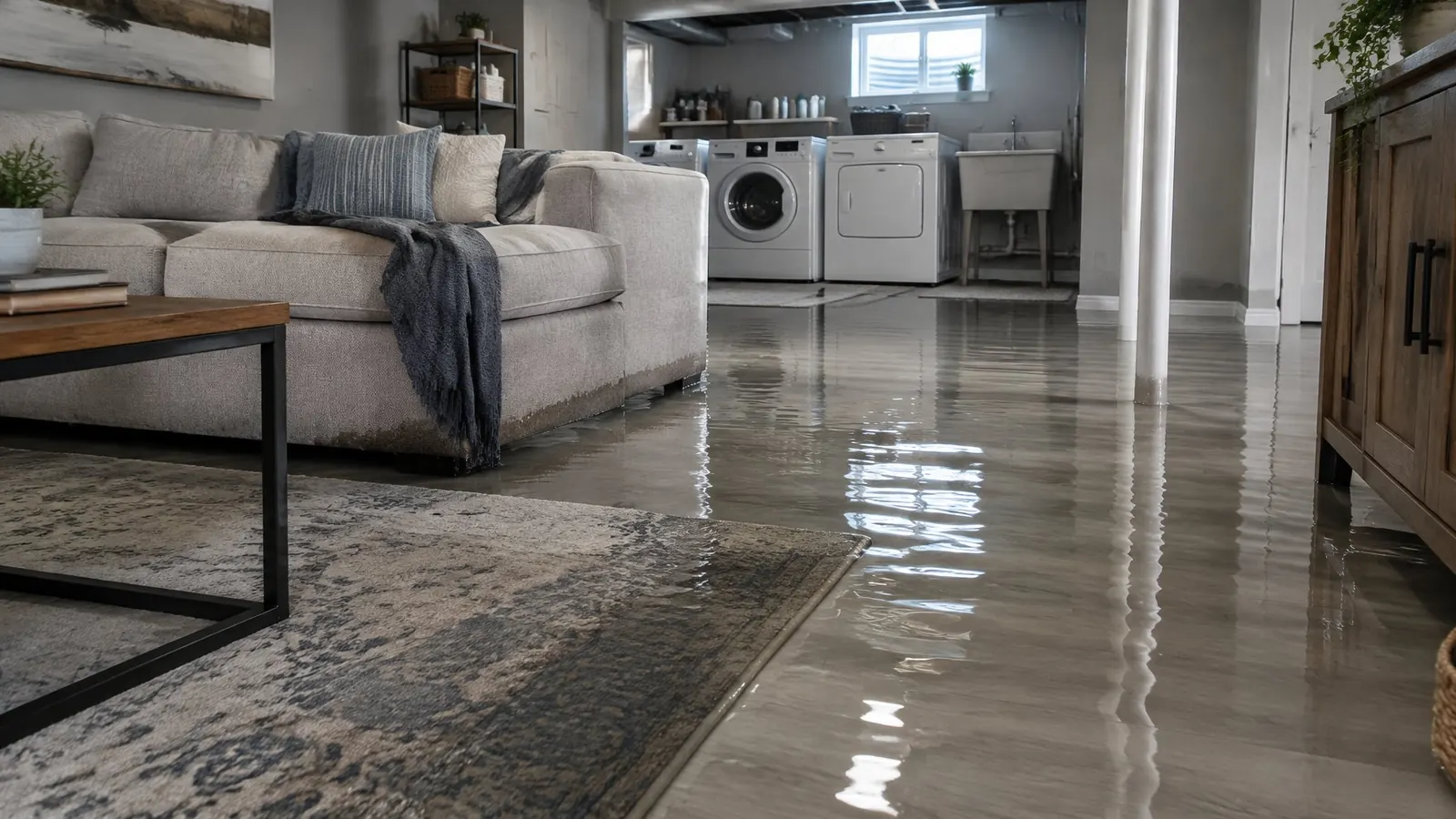
Why basement water is its own job
Basements sit below the ground around them, so water has more ways in: through the floor drain, up from a sump pit, through cracks and the joint between wall and floor, or down window wells. The first question is always where the water came from, because clean groundwater and a sewer backup are cleaned in very different ways.
Finished basements add another layer. Carpet, pad, drywall, insulation and stored boxes soak up water quickly. Expect the contractor to recommend removing wet carpet pad and cutting the bottom of the drywall so the walls behind can dry.
Before the contractor arrives
Stay out of deep water
Don't wade into a flooded basement if outlets, cords, the furnace or the electrical panel might be in the water.
Check the sump pump
Is it running, is the float stuck, did a breaker trip? A pump that has failed may need replacing before drying can start.
Look at the floor drain
Water coming up the floor drain, especially if it is dark or smells, may be a sewer backup rather than groundwater.
Move what you can
Lift boxes, rugs and furniture off wet floors if it is safe. Photograph damaged items before moving them.
Note the timing
When it started and how high the water got helps the contractor and anyone else you talk to later.
Leave the walls closed
Don't start tearing out drywall yourself; let the contractor measure moisture first.
Not all water is the same
Clean, gray and black water
Restoration contractors sort water by how contaminated it is, following the industry's IICRC S500 standard. The category decides what can be dried and what has to go.
Clean water
From a clean source, such as a burst supply line, a leaking water heater or an overflowing sink with no soap or waste.
- Usually dried in place
- Carpet can sometimes be saved
- Turns into category 2 if it sits
Gray water
Water with some contamination, such as dishwasher or washing machine discharge, or a toilet overflow with urine but no feces.
- Cleaned and treated, then dried
- Carpet pad usually replaced
- Turns into category 3 if it sits
Black water
Grossly contaminated water: sewage, a toilet backflow from beyond the trap, or flood water from rivers and streams.
- Porous materials removed
- Surfaces cleaned and sanitized
- Keep people and pets away
In Columbus
Why so many Columbus basements take on water
Age of the house matters. The city's own Blueprint Columbus sump pump brochure says that in homes built before the 1960s the foundation drain connects directly to the sanitary sewer, and that sump pumps have been standard in new homes since the mid-1960s. In heavy rain, that older arrangement can push water back into the basement.
Through Blueprint Columbus, the city installs sump pumps with battery backup in eligible single-family and duplex homes in the neighborhoods where it is working, at no direct cost to the homeowner. If water came up through the floor drain rather than through the walls, read sewer backups in Columbus: there is a 24-hour reporting window that matters.
How it works
From the call to a dry house
You call
Tell the person who answers what happened, where the water or smoke came from and your ZIP code.
You're connected
The call goes to an independent restoration contractor that serves your part of Columbus.
They assess
The contractor inspects, measures moisture, explains what needs removing and gives you their price.
You decide
Hire them or not. There is no obligation, and the agreement is between you and the contractor.
Questions
Flooded Basement Cleanup: common questions
Is a flooded basement covered by homeowners insurance?
It depends on the cause and your policy. Many standard policies treat a sudden pipe burst differently from groundwater seepage, surface flooding or a sewer backup, which may need separate coverage. Read your policy or ask your agent; see the insurance basics page.
What if the water came up through the floor drain?
Then treat it as a possible sewer backup until you know otherwise: keep children and pets away, don't run water or flush, and tell the contractor. Sewage needs a different cleanup from clean water. See sewage backup cleanup.
Do I need a new sump pump?
Only if the old one failed or can't keep up. Many contractors who dry basements can also tell you whether the pump, check valve or discharge line was the problem, or refer you to a plumber or waterproofing company.
Other services
Other kinds of damage
- Water Damage RestorationLeaks, overflows and failed appliances: water out, structure dried, damaged materials replaced.
- Frozen & Burst PipesA pipe split in the cold or a supply line let go: water off, extracted and the walls and floors dried.
- Sewage Backup CleanupSewage through a floor drain or toilet: contaminated materials removed, the area cleaned, sanitized and dried.
- Water Extraction & DryingPumps and extractors take up standing water; air movers and dehumidifiers dry the structure, checked daily.
- Storm & Roof Leak DamageRain through the roof, ice dams or wind-driven water: ceilings, walls and insulation dried or replaced.
- Fire & Smoke DamageSoot, smoke odor and the water used to put the fire out: cleaned, deodorized, dried and rebuilt.
- Mold RemediationMold after a leak or flood: the moisture source fixed, the area contained, moldy materials removed.
Water, smoke or mold?
Talk to a Columbus restoration contractor
One call connects you with an independent restoration contractor serving Columbus and nearby suburbs. Tell them what happened, where the water came from and how long it has been wet.
Water in the house? Talk to a restoration contractor now.
You are connected with an independent water damage restoration contractor that serves your part of central Ohio.
Call (380) 214-0333Calls may be recorded. See the referral disclosure and privacy policy.